Renewed fighting in South Kivu threatens fragile US-brokered peace deal
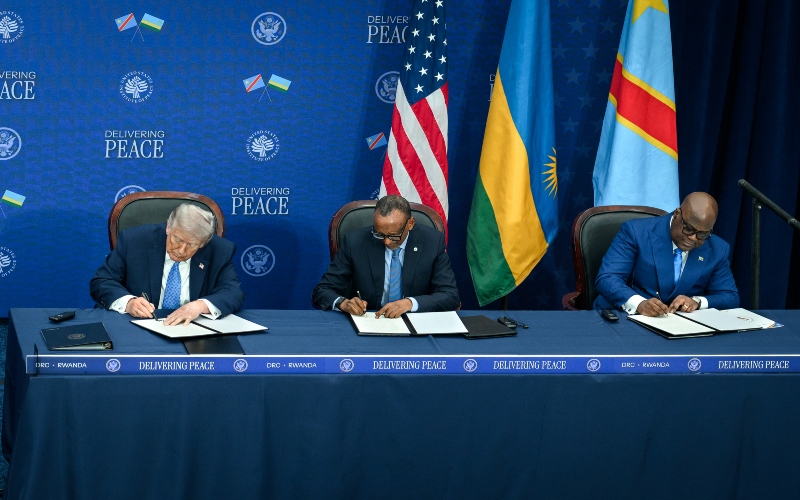
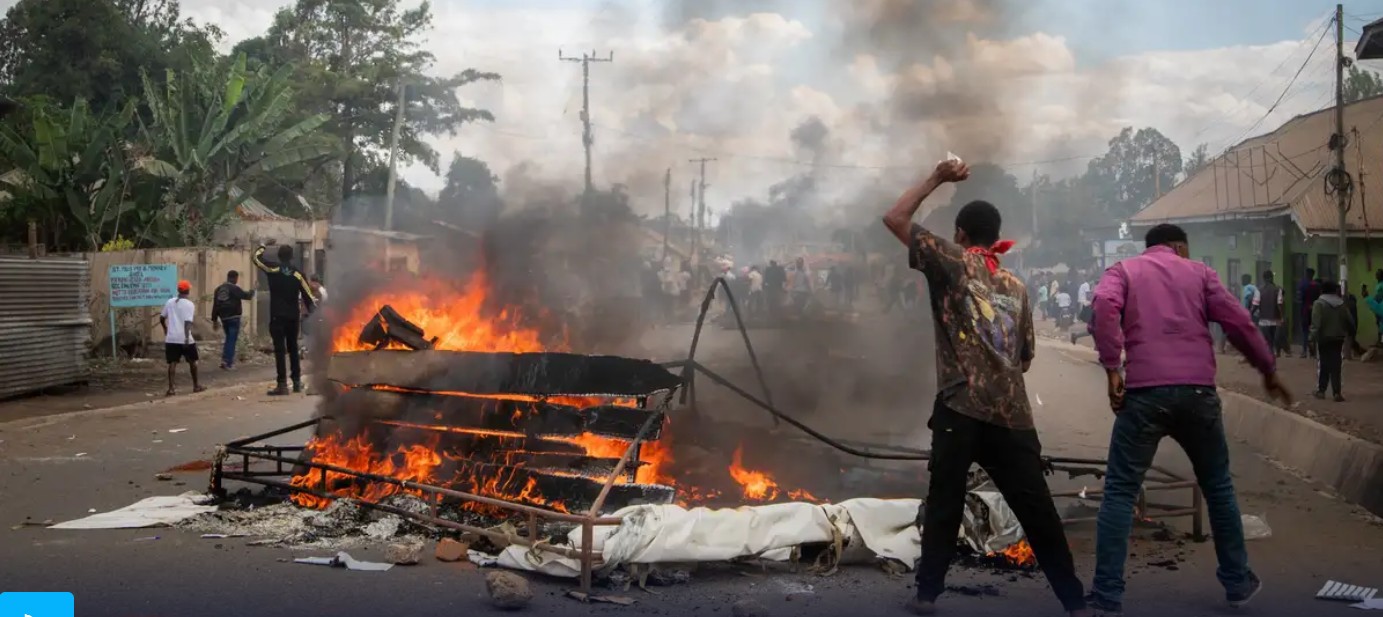
Rwanda and DR Congo are accusing each other of violating a new US-brokered ceasefire, as Burundi alleges Rwandan destabilisation, raising doubts over the fragile Washington accord.
Barely a week after signing the Washington Accord in Washington, DC, relations between Rwanda and the Democratic Republic of Congo (DRC) have taken a sharp downturn.
On Monday, DRC President Félix Tshisekedi accused Rwanda of breaching the agreement signed on December 4, 2025, in a ceremony presided over by US President Donald Trump, informing Parliament that despite the formal commitments made, "Kigali is already violating its obligations".
Kigali has, however, rejected accusations that it breached the ceasefire, instead pointing fingers at DRC and Burundi for the surge in violence in South Kivu.
In a statement issued Wednesday, the Rwandan Ministry of Foreign Affairs said, “The responsibility for ceasefire violations, ongoing attacks and fighting in South Kivu, DRC cannot be placed on Rwanda.”
The Ministry condemned the actions of the Congolese Army (FARDC) and Burundian Army (FDNB), accusing them of operating with DRC-backed FDLR militias, Wazalendo, and foreign mercenaries to carry out airstrikes on villages close to Rwanda’s border.
Rwanda maintains that the AFC/M23 forces have been compelled to respond to the assaults.
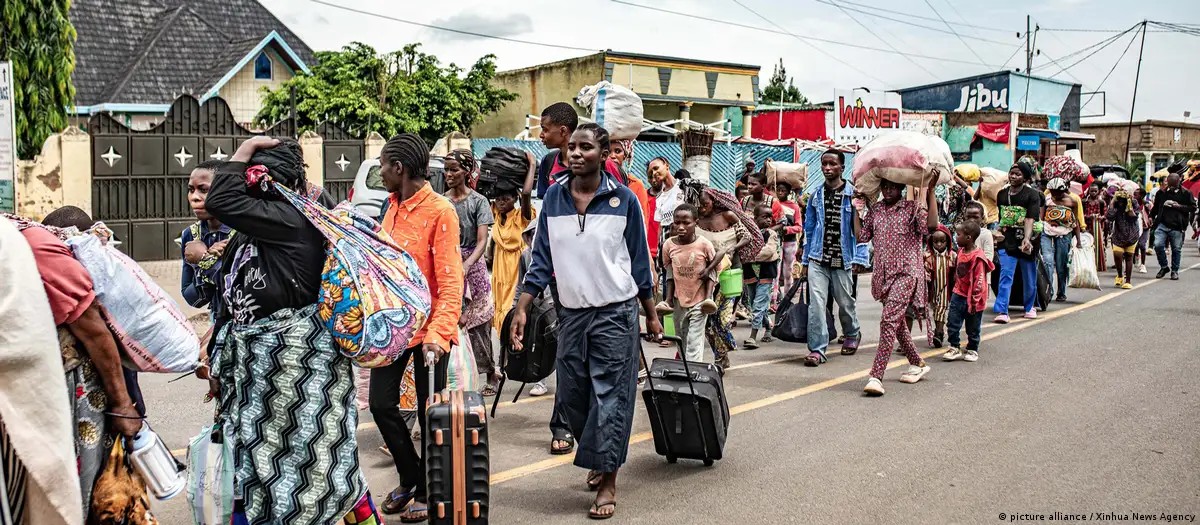
It described the severe humanitarian fallout, noting, “As a result of this past week’s bombing of Kamanyola from Burundi, over 1000 Congolese citizens have fled across the border to Bugarama, in Western Rwanda, where they are accommodated at the Nyarushishi Transit Camp.”
Kigali also warned that Burundian forces have deployed nearly 20,000 troops in South Kivu, while imposing a siege on Banyamulenge communities in Minembwe to 'intentionally deprive residents of food and supplies'.
Rwanda further accused the DRC of failing to honour the ceasefire, alleging that Kinshasa continues to pursue military objectives to reclaim territories from AFC/M23 despite the ongoing peace process.
“The international community has not demanded an end to these attacks prepared for months by the DRC and instigated in the past week,” the statement said.
Kigali also highlighted DRC’s inability to disarm the FDLR as agreed in June 2025, which has slowed progress toward peace in the Eastern DRC.
The Ministry suggested that President Tshisekedi’s participation in the December 4 ceremony was reluctant, saying he acted “as if forced to sign the Accords”. Tshisekedi and Kagame's encounter during the signing ceremony overseen by Trump was notably stiff.
Rwanda stressed that the continuing violations endanger both civilians and regional security.
“These deliberate violations of recently negotiated agreements constitute serious obstacles to peace, resulting in the continued suffering of the population in Eastern DRC, as well as a security threat to Rwanda’s western border,” the statement added.
Rwanda urged all parties to fully implement the Washington Accord and finalise the remaining annexes of the Doha Agreement between DRC and AFC/M23.
Other Topics To Read
“This is the most viable path forward for peace, stability and prosperity in the Great Lakes region,” the Ministry concluded.
Top Stories Today